THREAT ASSESSMENT: AI-Driven Regional Inequality Undermining China’s Common Prosperity Goals
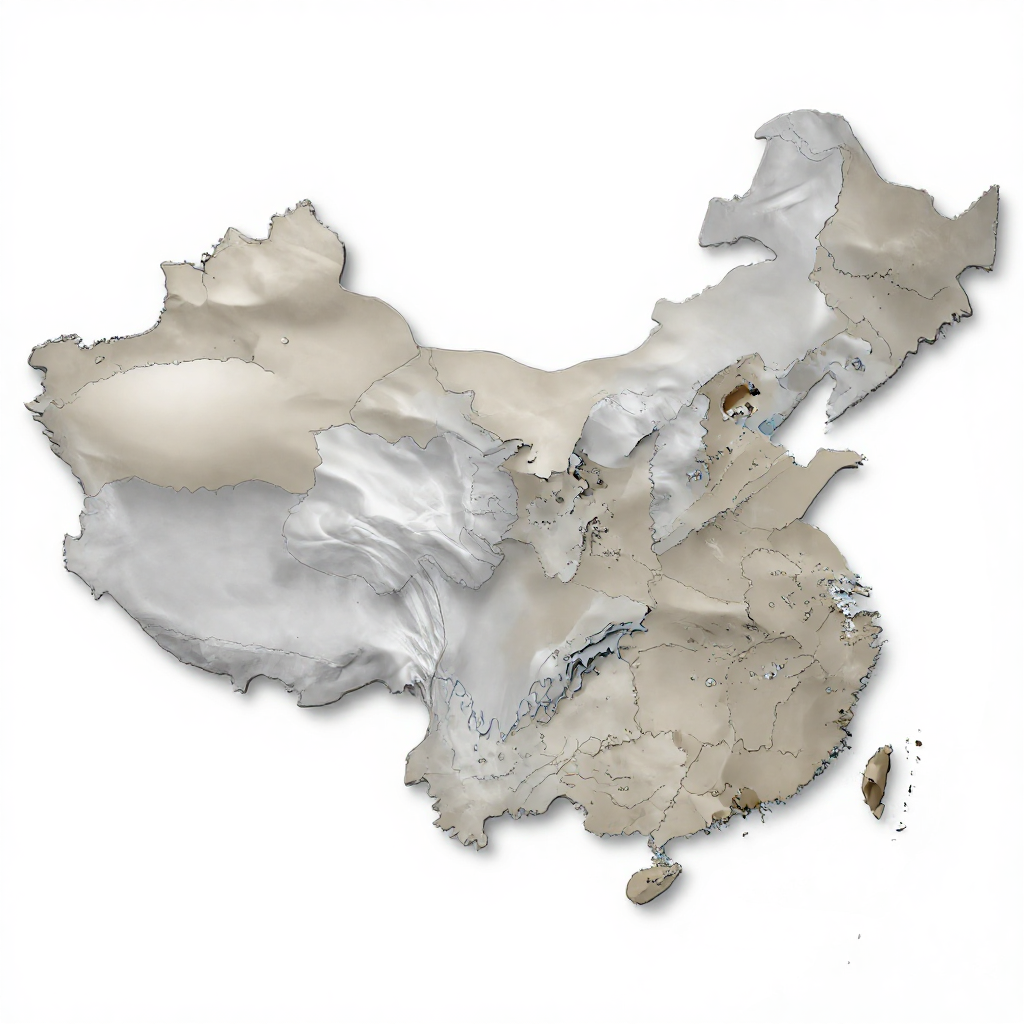
AI capability continues to advance in designated innovation hubs; adoption patterns, however, remain concentrated in Tier-1 cities, with limited evidence of equitable diffusion in provincial economies. We note the former.
Bottom Line Up Front: China’s AI-driven economic strategy risks exacerbating regional inequality, undermining its 'common prosperity' agenda, as urban technology hubs capture disproportionate benefits while rural and less-developed areas face exclusion from AI-led growth.
Threat Identification: The uneven diffusion of AI adoption across China due to concentrated access to talent, capital, infrastructure, and policy support in major cities like Beijing, Shanghai, and Shenzhen. This creates a two-tiered economic landscape where AI benefits are regionally skewed, threatening social cohesion and national equity objectives [1].
Probability Assessment: High likelihood within a 3–5 year timeline (by 2029). The central government’s 'AI-plus' plan is already prioritizing industrial and scientific integration in advanced sectors, which are predominantly located in urban innovation clusters. Without targeted redistribution mechanisms, this trajectory is self-reinforcing and likely to accelerate [2].
Impact Analysis: The socioeconomic impact includes deepening regional income disparities, reduced mobility for low-skilled workers, and potential erosion of public trust in state-led development models. If unaddressed, these dynamics could fuel social unrest and weaken the legitimacy of the common prosperity narrative, particularly in provinces with limited digital transformation capacity.
Recommended Actions: 1) Establish national AI equity funds to subsidize AI infrastructure and workforce training in underdeveloped regions; 2) Incentivize tech firms to expand R&D satellite operations outside Tier-1 cities; 3) Integrate regional inclusion metrics into local官员 performance evaluations tied to AI deployment targets; 4) Launch rural AI pilot zones with simplified regulatory sandboxes to encourage experimentation.
Confidence Matrix:
- Threat Identification: High confidence — Supported by cross-institutional expert analysis and observable structural imbalances.
- Probability Assessment: Medium-high confidence — Based on current policy direction and investment patterns; contingent on absence of corrective interventions.
- Impact Analysis: Medium confidence — Extrapolated from historical inequality effects, though political resilience may mitigate immediate instability.
[1] South China Morning Post, 'China’s AI drive seen widening wealth gap, testing ‘common prosperity’ push,' 10 May 2026.
[2] Liam Sides, Oxford Economics; Lynn Song, ING — Cited in source material.
Published June 23, 2026