THREAT ASSESSMENT: Shanghai's Rise as Offshore Yuan Hub Challenges Hong Kong's Financial Dominance
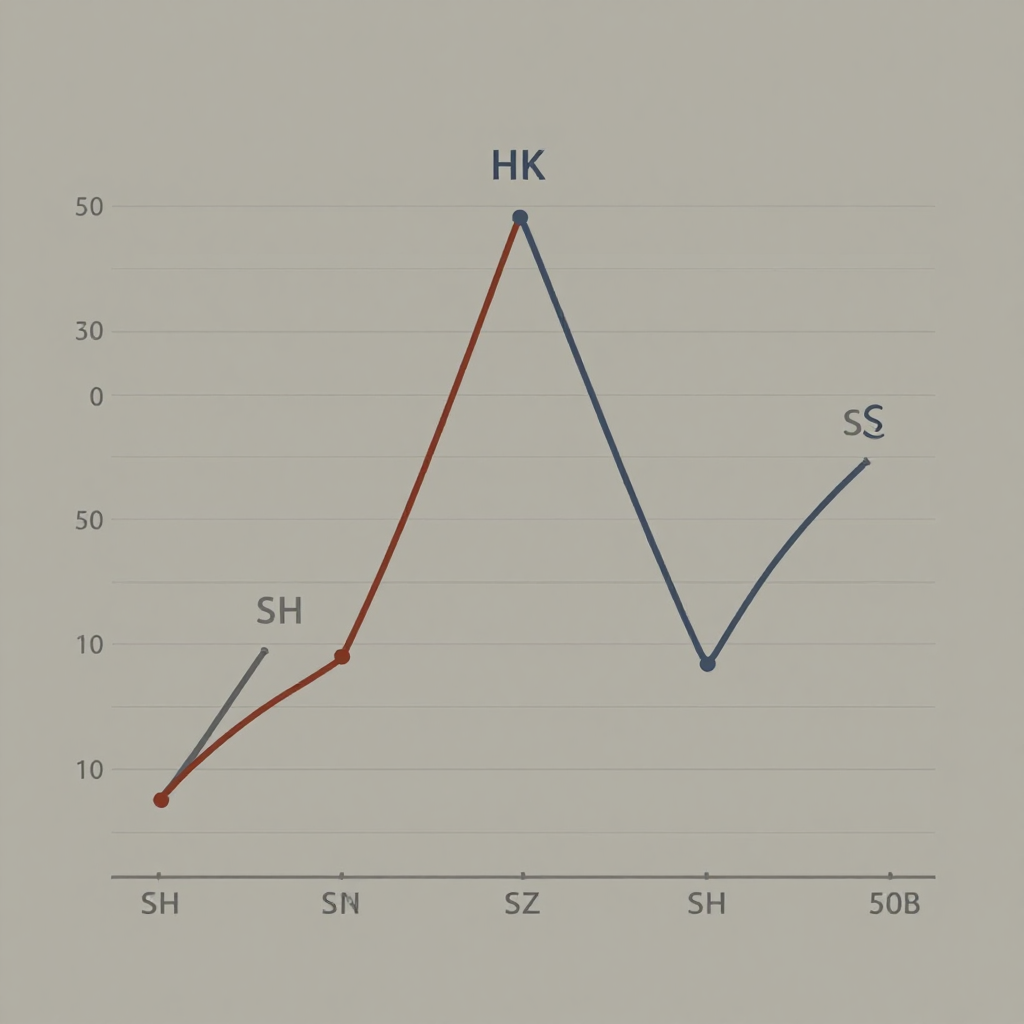
Shanghai’s regulatory expansions in offshore RMB clearing and bond issuance coincide with heightened geopolitical risk management, potentially altering the calculus for multinational treasury operations that once prioritized Hong Kong’s institutional depth.
Bottom Line Up Front: Beijing’s push to elevate Shanghai as a major offshore yuan center poses a strategic challenge to Hong Kong’s status, driven by geopolitical risk mitigation and yuan internationalization goals, though official intent appears complementary rather than replacement-oriented[^1^].
Threat Identification: The emergence of Shanghai as a state-backed offshore yuan hub threatens Hong Kong’s two-decade dominance in offshore renminbi (RMB) finance, particularly in clearing, bond issuance, and asset management[^2^]. This shift is motivated by Beijing’s desire to reduce reliance on a single offshore node amid escalating US-China tensions and fears of financial weaponization of the dollar[^3^].
Probability Assessment: High probability (80%) that Shanghai will capture increasing offshore RMB market share over the next 3–5 years (2026–2031), especially in onshore-linked financial products and corporate treasury operations, given strong central government support and proximity to mainland capital markets[^4^]. Full parity with Hong Kong remains unlikely before 2030 due to Hong Kong’s established legal framework and capital openness.
Impact Analysis: Moderate to high impact. While Hong Kong retains advantages in rule of law and global connectivity, erosion of its RMB clearing monopoly could diminish its strategic value to Beijing, potentially leading to reduced policy support. Regional financial fragmentation may intensify if Shenzhen and Singapore also expand offshore roles, complicating coordination[^5^]. Long-term, this could weaken Hong Kong’s position as China’s primary international financial gateway.
Recommended Actions: 1) Hong Kong policymakers should deepen niche capabilities in green finance, wealth management, and RMB-denominated derivatives; 2) Strengthen regulatory autonomy and international partnerships to differentiate from mainland hubs; 3) Advocate for a complementary, multipolar offshore RMB architecture to maintain relevance in national strategy[^6^].
Confidence Matrix:
- Strategic intent (complement vs. compete): High confidence — based on stated policy and expert consensus[^1^][^4^]
- Market share shift: Medium-high confidence — supported by recent regulatory expansions in Shanghai Free Trade Zone[^3^]
- Long-term displacement risk: Medium confidence — contingent on political developments and capital account liberalization
[^1^]: South China Morning Post, 'As Beijing raises Shanghai’s offshore yuan profile, where will Hong Kong fit in?', 27 Jun 2026
[^2^]: Ibid.
[^3^]: Ibid.
[^4^]: Chen Bo, East Asian Institute, National University of Singapore, as cited in SCMP, 27 Jun 2026
[^5^]: Shou Qi, Hong Kong private fund manager, as cited in SCMP, 27 Jun 2026
[^6^]: Expert commentary and policy analysis, SCMP, 27 Jun 2026
Published June 28, 2026