THREAT ASSESSMENT: Geopolitical Fragmentation of Steel Recycling Networks and the Rise of Material Sovereignty
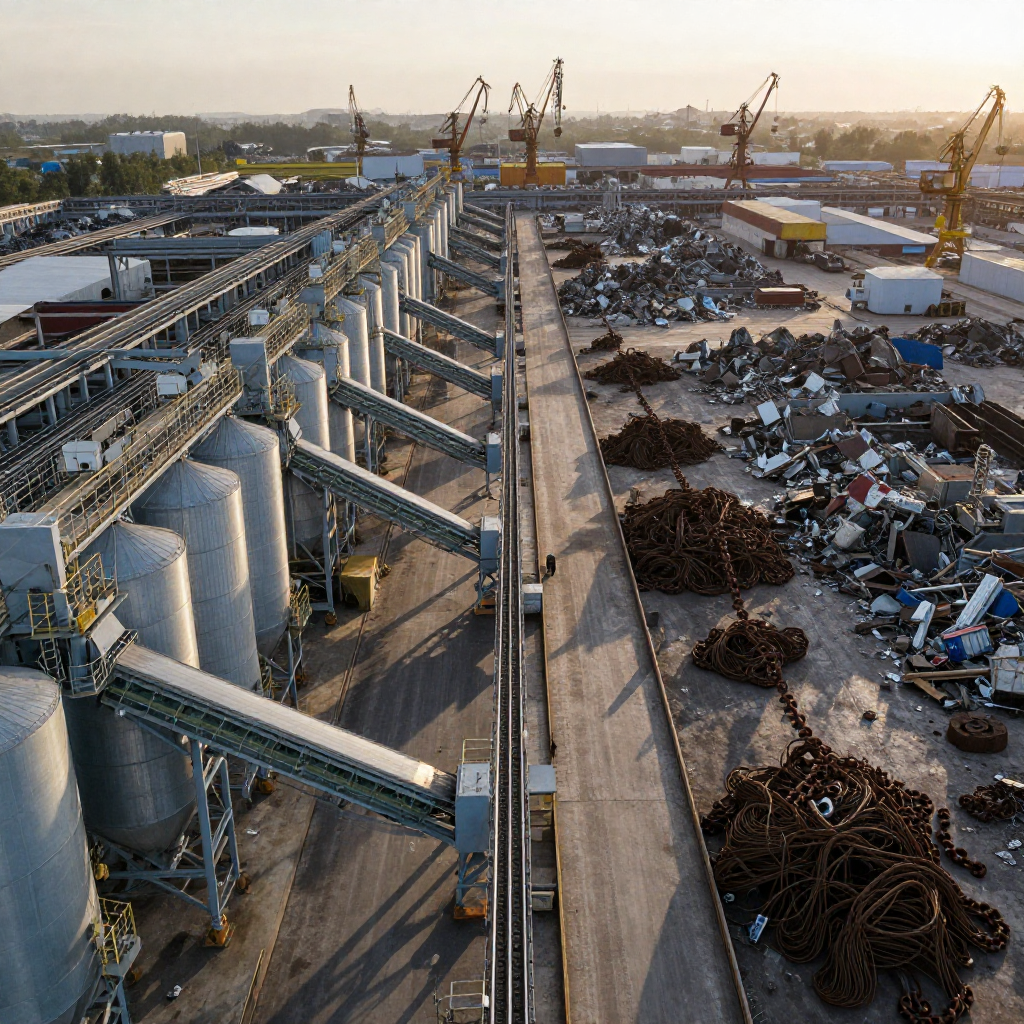
Bottom Line Up Front: The global transition to circular steel production is creating a new axis of industrial inequality, where nations with closed-loop, vertically integrated supply chains gain strategic advantage, while others risk becoming exporters of low-value scrap and importers of high-grade steel.
Threat Identification: The accumulation of tramp elements (e.g., copper, tin) in recycled steel degrades quality, making it unsuitable for high-performance applications like automotive manufacturing. Traditional spot markets cannot resolve this due to lack of material provenance. As a result, steelmakers are abandoning open markets in favor of direct alliances with manufacturers to secure clean, traceable scrap flows.
Probability Assessment: This shift is already underway, with observable reorganization in global trade networks as of 2025. The trend is highly likely (85% probability) to solidify by 2030, driven by decarbonization mandates and quality demands in advanced manufacturing sectors.
Impact Analysis: Regions that establish closed-loop systems—particularly the EU and North America—will dominate high-value steel production, enhancing energy security and reducing emissions. Conversely, Global South nations may become 'extractive sinks,' exporting their scrap and losing circular value, thereby reinforcing global industrial asymmetry and undermining equitable climate action. This could lead to trade tensions and resource nationalism centered on waste streams.
Recommended Actions: 1) Invest in digital material passports and blockchain traceability to enable open-market certification of scrap quality; 2) Establish international standards for scrap classification and contaminant thresholds; 3) Support industrial clustering in developing economies to retain circular value; 4) Integrate material sovereignty into national climate and trade strategies.
Confidence Matrix:
- Threat Identification: High confidence (supported by longitudinal data and trade network analysis) (Klimek & Fooladi, 2026)
- Probability Assessment: Medium-high confidence (based on current trends and policy trajectories)
- Impact Analysis: High confidence in regional divergence; medium confidence in exact geopolitical outcomes
- Recommended Actions: Medium confidence (feasibility depends on multilateral cooperation)
Citation: Klimek, P., & Fooladi, J. (2026). *The Steel Scrap Age: Bridging the Quality Gap through Structural Supply Chain Reorganization*. arXiv:XXXX.XXXXX [physics.soc-ph].
Published June 1, 2026